In today’s travel landscape, social media influencers are not just trendsetters; they are powerful agents in destination choice. The travel sector is one of the most profitable areas within the influencer marketing industry. By 2024, influencer marketing surpassed traditional advertising to become the largest advertising channel on social media. The global influencer marketing market is projected to exceed $32.5 billion by 2025 (Influencer Marketing Hub 2025).
Platforms like Instagram, TikTok, and YouTube function as virtual travel guides, showcasing short-form videos and authentic content from creators that ignite a desire to travel (Chakraborty 2024). While this approach to promoting tourism is relatively new, it raises important questions about authenticity, environmental impact, and the true cost of viral travel.
Influencers and travel choices
Influencers significantly impact travel decisions. Followers often replicate the trips, activities, and accommodations they see online. But what makes influencers so persuasive? One major factor is the parasocial relationships followers develop with them, which create emotional bonds. As a result, travel suggestions from influencers feel more trustworthy and personal compared to traditional advertising (Alutaya 2024).
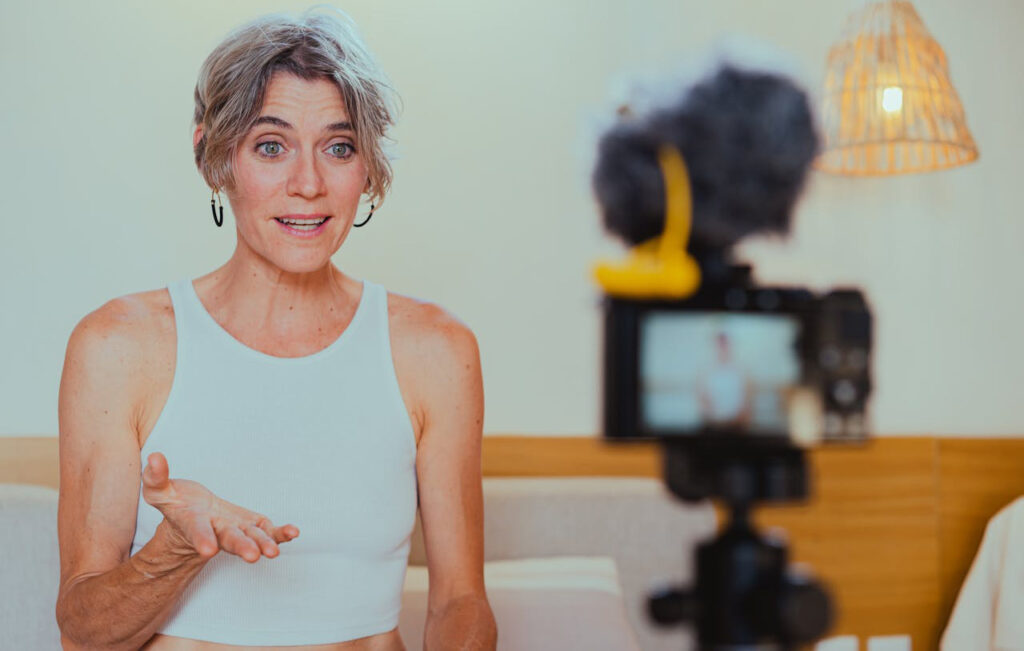
Pivoriūtė´s (2025) research indicates that younger audiences aged 18–22 trust influencers more than travel agencies for travel inspiration. For them, visual content such as videos, films, and vlogs serves as their primary source of travel inspiration, whereas traditional travel brochures and print materials have lost their appeal.
Authenticity and ethical issues
Micro-influencers focus heavily on authenticity and relatability. They build trust by sharing stories, behind-the-scenes images, surveys, and Q&A sessions. Additionally, they provide practical travel advice and are transparent about their collaborations with brands. (Zniva et al. 2022.)
Meda, a Lithuanian micro-travel influencer, shared in an interview that her audience prefers authentic experiences over polished ads. She highlighted that her followers often visit the places she features, showcasing the direct influence of her content on travel behavior. (Pivoriūtė 2025.)
Influencer travel marketing has its downsides, including ethical concerns like hidden sponsorships and misleading experiences. Additionally, overtourism poses environmental and cultural challenges (Babu et al. 2024). In cities like Barcelona, intense tourism has caused a housing crisis, as homes are converted into short-term rentals, driving long-term rental prices up to 75% of the average local wage by 2024. This makes it difficult for residents to afford living in their neighborhoods, weakening communities and displacing locals for tourists and digital nomads. (Arias 2024.)
Meda has emphasized her commitment to transparency, sustainability, and honesty in her travel content. However, travel is becoming increasingly “Instagram-worthy,” making ethical responsibility more crucial than ever. The survey results confirm this even more. Although respondents actively consume content from influencers, especially on Instagram and TikTok, they also prioritize authenticity. Half of the participants said they follow influencers primarily for honest reviews and practical advice. The vast majority (90%) prefer videos because they seem more direct and transparent. (Pivoriūtė 2025.)
Furthermore, viewers’ preference for authentic experiences, useful advice, local culture, behind-the-scenes content, and the absence of excessive product placement emphasize the ethical standards expected of travel influencers. The fact that 75% of respondents trust influencers more than travel agencies increases their responsibility: any misleading or overly staged content of travel destinations directly affects the perceptions and decisions of young travelers. (Pivoriūtė 2025.)
To go and never return?
Influencers, especially micro-influencers, are the new travel agents. While they do not entirely replace traditional travel agents, they occupy a new role as a blend of guides, reviewers, and sources of travel inspiration. Their influence is significant — both positively and negatively — because audiences trust them.
The key is to balance inspiration with authenticity and sustainability, ensuring that travel remains exciting without harming people or places. It is vital to achieve a balance so that the locations we fall in love with online are protected and continue to hold meaning in real life. (Pivoriūtė 2025.)
Authors
Gabija Pivoriūtė has completed a double degree in Tourism and Hospitality Management at LAB University of Applied Sciences.
Taina Savonen is a Senior Lecturer in Business at LAB University of Applied Sciences and is captivated by the dynamic world of current media.
References
Alutaya, J. 2025. We Are HOCO. From Social Media to Real Bookings: How Micro-Influencers Shape Hotel Marketing. Cited 10 Apr 2025. Available at https://www.wearehoco.com/blog/from-social-media-to-real-bookings-how-micro-influencers-shape-hotel-marketing.
Arias, M. 2024. The Guardian. Why tourism has become such an issue for us Spaniards. Cited 26 Nov 2025. Available at https://www.theguardian.com/news/2024/sep/19/why-tourism-has-become-such-an-issue-for-us-spaniards
Babu, E., Priya, P. S., Athira, V. T., Farzana, O. I., & Remya, P. D. 2024. Influencing responsibly: Harnessing the power of social media influencers to promote responsible tourism. International Journal of Communication Networks and Information Security (IJCNIS), 16(3), 92–102. Cited 26 Nov 2025. Available at https://doi.org/10.17762/ijcnis.v16i3.6716
Chakraborty, P. 2024. Social Media and Tourism: Key Statistics for 2024. Cited 10 Apr 2025. Available at https://www.winsavvy.com/social-media-and-tourism-key-statistics/.
Influencer Marketing Hub. 2025. The State of Influencer Marketing. Cited 26 Nov 2025. Available at https://influencermarketinghub.com/influencer-marketing-benchmark-report/.
Los Muertos Crew. 2021. Elderly Woman Vlogging. Pexels. Picture. Cited 26 Nov 2025. Available at https://www.pexels.com/photo/elderly-woman-vlogging-7261085/
Pivoriūtė, G. 2025. Influencers as modern travel agents. A study of their role in shaping travel trends and destinations. Thesis. LAB University of Applied Sciences. Cited 26 Nov 2025. Available at https://www.theseus.fi/bitstream/handle/10024/902311/Pivoriute_Gabija.pdf?sequence=2&isAllowed=y
Zniva, R., Lindmoser, C., Weitzl, W.J. 2022. Influencer Authenticity – Conceptualization, Nature and Nomological Role. In: Martínez-López, F.J., Martinez, L.F. (eds) Advances in Digital Marketing and eCommerce. DMEC 2022. Springer Proceedings in Business and Economics. Springer, Cham. Cited 26 Nov 2025. Available at https://doi.org/10.1007/978-3-031-05728-1_17